
How To Visit Lake O’Hara – 2025 Hiking & Camping Guide
Lake O’Hara is an unparalleled backcountry hiking paradise nestled in Yoho National Park in the Canadian Rockies.
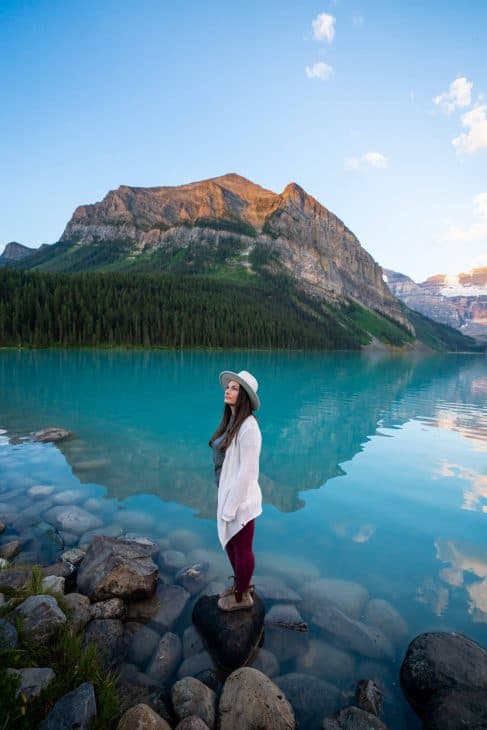
Words fall short in capturing the sheer beauty of this place. Picture a brilliant blue-green alpine lake, its mirror-like surface reflecting towering mountains that surround it. Yet, the true enchantment lies in the incredible trail system weaving through these scenic wonders.
However, accessing this paradise is no simple feat. Parks Canada strictly regulates entry through a reservation system, permitting only a limited number of visitors to hike and camp at Lake O’Hara each day.
After 4 years of trying, I finally hit the jackpot and secured my golden ticket! I booked a 3 night stay which is the maximum number of nights you can stay at any one given time. The four years of waiting were totally worth it!
I finally got to experience the breathtaking beauty of Lake O’Hara with my own eyes. I’m excited to share all the invaluable insights I’ve gathered, to help you experience the magic of Lake O’Hara too.
This comprehensive camping and hiking guide includes everything you need to know about this natural wonder in Yoho National Park, British Columbia. As well as tips for securing shuttle bus and campsite reservations, choosing the perfect time to visit, and uncovering the most captivating trails and photo spots.
Why Visit Lake O’Hara
Visiting Lake O’Hara is an experience like no other, offering a plethora of compelling reasons that draw nature enthusiasts and adventure seekers alike.
Lake O’Hara’s stunning turquoise waters, set against a backdrop of majestic alpine peaks, create a scene of unparalleled natural beauty. It’s a photographer’s dream and a place where every view seems like a postcard-worthy shot.
Nestled in Yoho National Park, Lake O’Hara remains remarkably untouched and preserved. Its unspoiled wilderness provides a sanctuary for a diverse array of flora and fauna, making it a haven for nature lovers.
The trail system around Lake O’Hara is nothing short of extraordinary. With a range of trails catering to all skill levels, hikers can explore breathtaking landscapes, lush meadows, and awe-inspiring vistas.
Besides Lake O’Hara itself, the region boasts numerous other alpine lakes, each with its distinct charm. The area surrounding Lake O’Hara is teeming with wildlife, including elusive creatures like mountain goats, marmots, and even grizzly bears.
Due to the restricted access through the reservation system, Lake O’Hara offers a sense of tranquility and exclusivity that is hard to find in many other tourist destinations.
During the summer months, the meadows surrounding Lake O’Hara burst into a vibrant display of wildflowers, creating a colourful and picturesque landscape. Beyond hiking, Lake O’Hara offers opportunities for other outdoor pursuits like fishing, picnicking, and simply basking in the glory of nature.

How Long to Spend at Lake O’Hara
The length of your visit to Lake O’Hara will depend on whether you can get bus, camping or lodge reservations.
If you manage to get camping reservations, the maximum number of nights is 3, however many people choose to only camp for 1 or 2 nights.
If you have limited time or just want a taste of Lake O’Hara’s beauty, a day trip is still worth it. A day trip typically involves taking the bus from the parking lot to the lake, spending a few hours hiking around the shoreline or taking a specific trail, and then returning on the last bus of the day. This option is ideal for those who are unable to secure camping or lodge reservations.
If you do have overnight accommodation, plan for at least two nights in the area. Try to book the first bus in and the last bus out to maximize your hiking time.
Keep in mind that due to the limited number of visitors allowed each day (controlled by the Parks Canada reservation system), it’s essential to plan and book well in advance, especially for overnight stays.
I personally stayed for three nights camping at Lake O’Hara, and in that time I experienced rain, hail, forest fire smoke, clouds and hot clear days. I also took the opportunity to photograph the alpenglow and even do some night photography at 2am with no light pollution.
Best Time to Visit Lake O’Hara
The best time to visit Lake O’Hara largely depends on what you seek from your experience. If you’re an avid wildflower enthusiast, the peak bloom season from late July to early August brings an explosion of colourful wildflowers that blanket the landscape.
Visiting between December and April presents an opportunity to explore the snow-laden paths by cross-country skiing or snowshoeing.
However, most hikers and campers choose to visit Lake O’Hara from June to September. During these warmer months, trails are typically snow-free, and the weather is generally more conducive for outdoor activities.
Visiting in June and early July may present challenges on higher elevation trails like the Alpine Circuit, as there could be lingering patches of slippery snow. Additionally, some lakes might still retain a hint of ice.
I visited in mid-July and although we experienced rain on the first night, we also got cloudy cool days and hot clear days. The weather here can change at a moments notice, which is another reason an overnight stay is a great option.
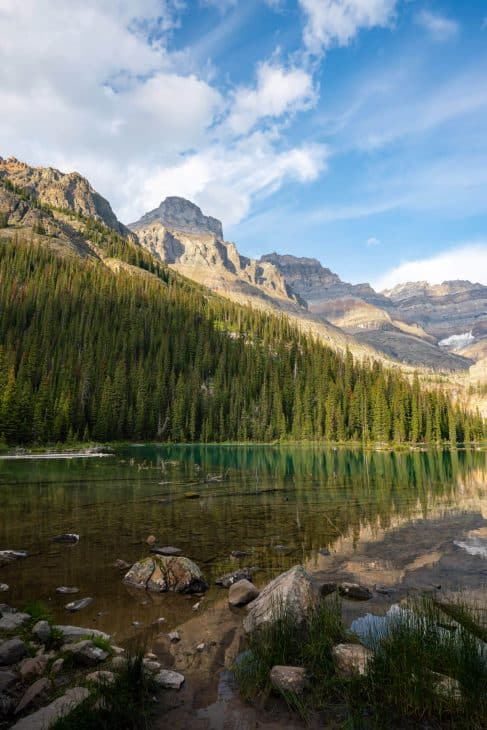

Lake O’Hara Weather & Climate
The weather and climate at Lake O’Hara can be quite diverse. During the summer months (June to August), the weather is generally pleasant, with average temperatures ranging from 10°C to 20°C (50°F to 68°F).
However, mountain weather can be unpredictable, so it’s essential to be prepared for sudden changes. Mornings and evenings can be chilly, even in the summer, so bringing layers and a warm jacket is advisable.
Regardless of the season, it’s essential to check the weather forecast before visiting Lake O’Hara and pack accordingly. Weather conditions can change rapidly, especially in the mountains, so having appropriate clothing and gear ensures a comfortable and enjoyable experience.
Always be prepared for rain, wind, or unexpected temperature fluctuations, and don’t forget to carry enough water and sunscreen during warmer months.
How to get to Lake O’Hara
Lake O’Hara is located in Yoho National Park, British Columbia, Canada. The nearest town is Field, approximately 22 kilometres (14 miles) away. It sits on the border of BC and Alberta, very close to Banff National Park, Lake Louise and the town of Golden.
By Car: If you are travelling by car, you can reach the Lake O’Hara parking lot by taking the Trans-Canada Highway (Highway 1). Turn off at the marked road for Lake O’Hara, which is approximately 13 kilometres (8 miles) east of Field. From the parking lot, the lake is a further 11 kilometre (6.8 miles) up the restricted access road. Note that vehicles are not allowed beyond the parking lot, so you will need to take the bus or hike to reach the lake itself.
By Bus: The Lake O’Hara bus is the most common way to reach the lake. The bus operates from mid-June to early October, and seats must be reserved in advance through the Parks Canada reservation system. The bus leaves from the Lake O’Hara parking lot and takes you directly to the Le Relais Day Shelter near the lake.
By Foot: You’ve reached the parking lot – now you need to get to the lake! If you weren’t able to secure a bus reservation and have the time, you can hike up the 11-kilometre access road. However, it’s a steep and somewhat monotonous climb, and most people prefer to save their energy for the beautiful trails around the lake itself.
There is no public transportation to the Lake O’Hara parking lot, so you’ll need to drive yourself. If you are flying into Calgary, you’ll need to rent a car. I recommend using Discover Cars because it helps you compare prices from different car rental companies.
If you have a morning bus reservation it’s a good idea to book a hotel stay nearby the night before. Nearest towns to Lake O’Hara are Field, Lake Louise and Golden. I stayed in Golden the night before as it was a cheap hotel option. The drive from Golden is approximately 50 minutes. My bus time was 10:30 so this gave us plenty of time.
If you are looking to extend your trip, there are lots of fun things to do in Yoho National Park, Golden, Lake Louise and Banff.
Lake O’Hara Shuttle Bus Reservations
Securing a seat on the Lake O’Hara shuttle bus is essential for those planning a day trip. The shuttle service, operated by Parks Canada, is the only motorized access permitted to Lake O’Hara. Reservations typically open in April for the summer season and can be made through the Parks Canada Reservation System.
The shuttle operates from mid-June until early October and takes passengers from the parking lot at the Lake O’Hara staging area to the lake. Due to high demand and limited seats, spots on the shuttle bus fill up quickly, so it’s highly recommended to reserve your spot as soon as reservations open.
If you’re unable to secure a shuttle reservation, there’s the option of hiking the 11km access road, but keep in mind this is a long and arduous trek. Nonetheless, the efforts are worth it, as the destination is a little slice of paradise waiting to be discovered.
If you are in the area, you can always try getting a stand-by bus ticket. On my bus there was a seat or two empty and I did also see two women who were walk-ups who managed to get on our bus. Some people do cancel bus and camping reservations due to weather so it is always worth checking. You can only pay cash for walk-up/stand-by seats.
How to Book Lake O’Hara Shuttle & Lottery System
Scoring a day trip to Lake O’Hara can seem challenging with the high demand for the shuttle bus service. However, understanding the booking process can help increase your chances of securing a spot. When reservations open, be prompt in booking your shuttle as the slots disappear quickly.
If you missed the initial reservation window, don’t lose heart. Parks Canada introduced the Lake O’Hara Shuttle Bus Lottery system in 2020. This lottery system allots a portion of shuttle seats to lucky winners.
Entries for the lottery usually open in February, with winners announced in March. This system provides an additional opportunity to secure a shuttle reservation, thus increasing your chances of reaching the enchanting Lake O’Hara.
Lake O’Hara Shuttle Bus Fees & Cost
- Ticket Fee Per Person: $17.14
- Reservation Fee Per Booking: $11.50
Lake O’Hara Bus Schedule
| In-going Bus (Leaves from parking lot) | Out-going Bus (Leaves from Le Relais & Campground) |
|---|---|
| 8:30am | 9:30am |
| 10:30am | 11:30am |
| 3:30pm (Campers only) | 2:30pm |
| 50:30pm (campers only) | 4:30pm |
| 6:30pm |
Hiking the Lake O’Hara Logging Road – Visiting Without a Bus Reservation
If you were unsuccessful in securing a shuttle bus reservation, don’t worry. You can still reach the magnificent Lake O’Hara by hiking the 11-kilometre (6.8 miles) access road. Although it might be challenging, the breathtaking views awaiting you are nothing short of rewarding.
The Lake O’Hara access road is a well-maintained gravel road that winds its way uphill. Keep in mind that it’s a lengthy and steady climb, so be prepared for a bit of a workout. The hike can take anywhere from 2 to 3 hours, depending on your pace.
Be sure to carry enough water, snacks, and a sturdy pair of hiking boots, as the terrain can get slippery when wet. Although it’s not the most exciting hike in the park, it’s a good warm-up for the stunning trails around the lake. This route may not be the preferred way for most, but it’s a viable and rewarding option for those passionate explorers who thrive on the path less taken.
If you’ve chosen to hike the Lake O’Hara access road and are hoping to catch a bus back, it’s essential to know that this is not guaranteed. Bus availability for the return journey is contingent on available seats. If there are no-shows or cancellations, and space becomes available, you can certainly hop aboard for the journey down. However, keep in mind that you will need cash to pay for this journey.
As always, it’s best to plan your day considering you might need to hike back down, to ensure you are back in time if you have other plans or commitments in the afternoon or evening.
Where to Stay in Lake O’Hara
ACC Elizabeth Parker Hut
The Alpine Club of Canada’s (ACC) Elizabeth Parker Hut offers a unique and rustic lodging experience for those visiting Lake O’Hara.
The Elizabeth Parker Hut, named after one of ACC’s influential members, accommodates up to 24 guests. It features two separate cabins, each equipped with a wood-burning stove, propane lanterns, and a shared cooking area with propane burners. The hut does not provide bedding, so remember to bring your sleeping bag.
Staying at the Elizabeth Parker Hut requires a separate reservation, which can be made through the ACC’s online booking system. It’s important to note that these reservations are also highly sought after and tend to sell out swiftly. Therefore, it’s advisable to book as early as possible, and have backup dates in mind.
Staying at the Elizabeth Parker Hut offers an unforgettable experience. The tranquility of the surroundings, the sense of community with fellow adventurers, and the access to diverse hiking trails make this a highly recommended lodging option for your Lake O’Hara adventure.
Lake O’Hara Lodge
For those seeking a bit more comfort and luxury during their visit to Lake O’Hara, consider a stay at the remarkable Lake O’Hara Lodge. This historic lodge delivers a perfect blend of rustic charm and modern comfort.
Lake O’Hara Lodge offers a variety of accommodation options to suit every preference. Choose from the cozy rooms within the main lodge and the romantic cabins by the lakeshore. Each accommodation option is tastefully decorated, featuring comfortable beds, warm duvets, and stunning views of the surrounding landscape.
The lodge prides itself on its culinary offerings – your stay includes three chef-prepared meals each day. The lodge also offers packed lunches for explorers keen to spend their day hiking the numerous trails around Lake O’Hara.
Staying at Lake O’Hara Lodge also gives guests exclusive access to the lodge’s private shuttle service. However, like everything else at Lake O’Hara, reservations book up fast, so it’s wise to book well in advance.
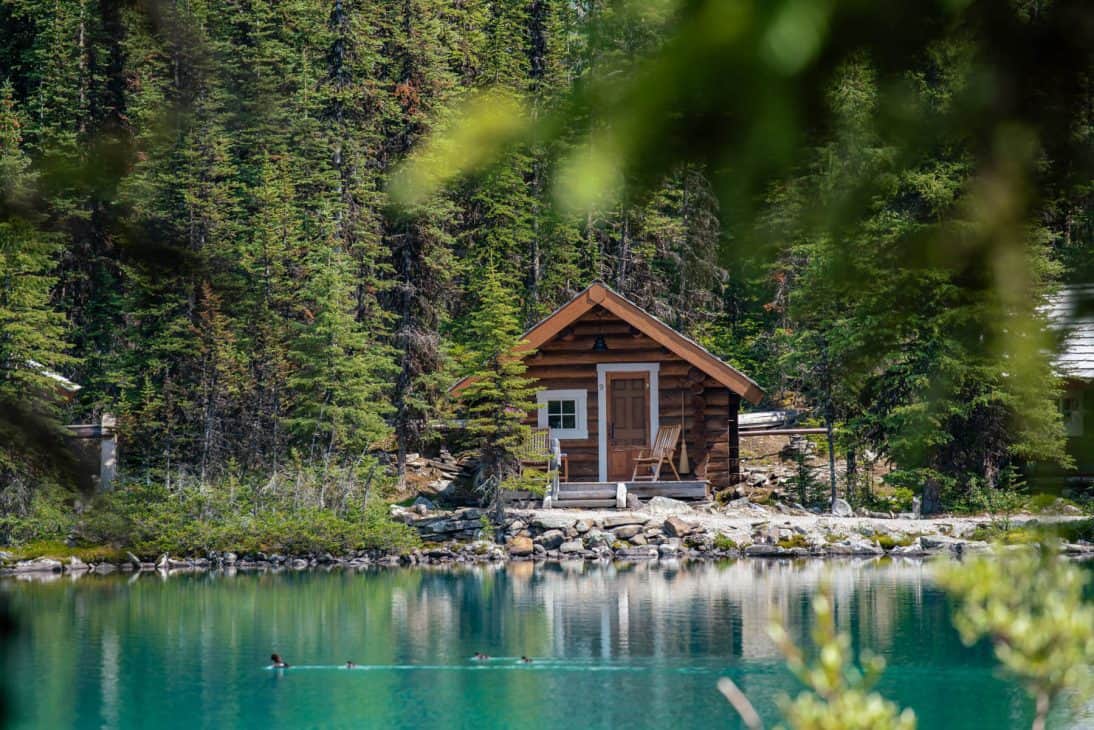
Camping at Lake O’Hara
Securing camping reservations at Lake O’Hara is extremely challenging, as they are among the most coveted reservations in the Canadian Rockies. As of 2023 Parks Canada has updated their reservations website and going forward everyone will be assigned a random number in the queue.
Reservations open at 8am MT and you must be logged on prior to this time. If you log in after 8am you will be placed to the very back of the line. You will need to book through the Parks Canada website.
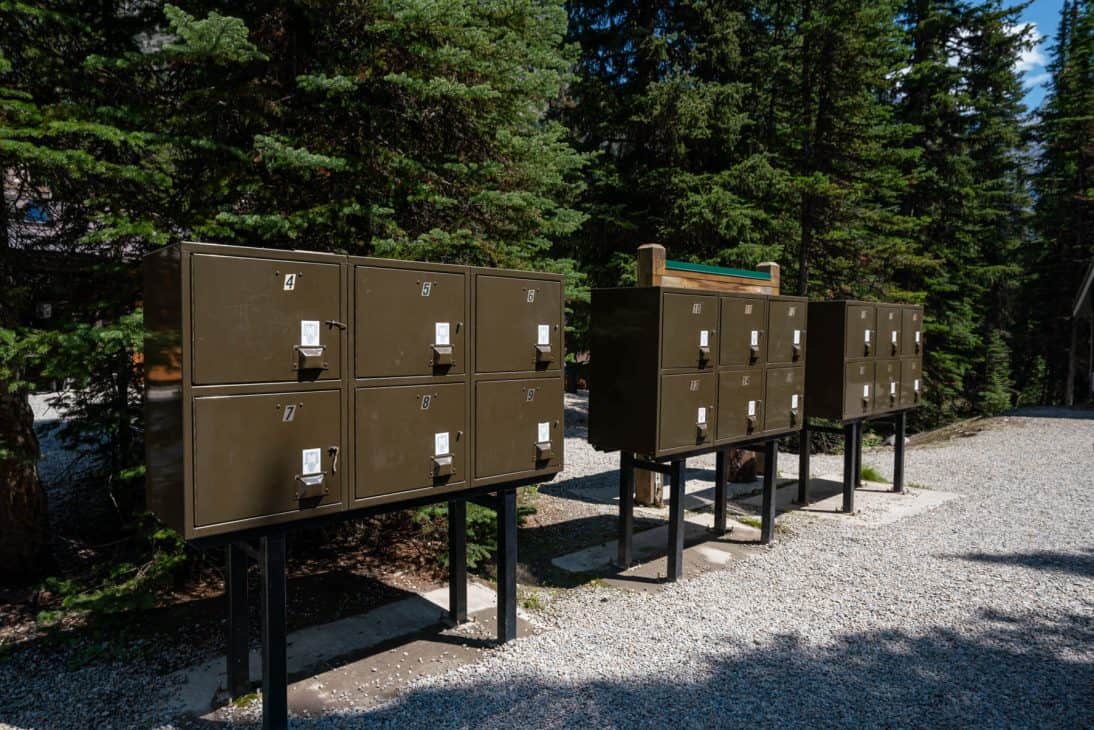
The campground at Lake O’Hara is so well-maintained that it doesn’t feel like a backcountry campground at all. There is a total of 30 campsites and each campsite is assigned their own locker to store food. These lockers are designed to keep wildlife out however they do not come with their own lock, so if you do want to lock your lockers completely, you’ll need to bring your own.
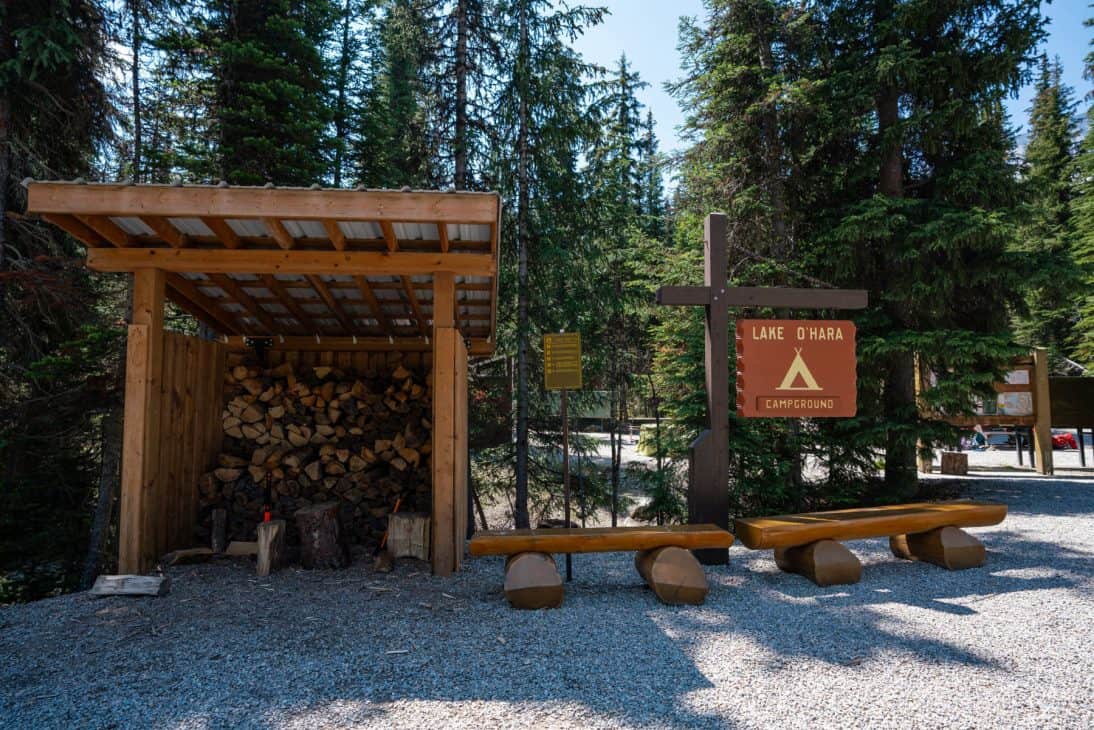
Camping Fees
- Camping fees: $12.50/night/person
- Reservation fee: $11.50/booking
- Round Trip Bus: $17.14/person
Camping Rules
- Maximum of 4 people per campsite.
- 1 tent maximum per campsite.
- There is a maximum of 3 nights per reservation.
- You can book up to 2 campsites per reservation.
- Children from 1-16 years old must be included within the reservation.
- Baggage is restricted to one large bag per person (max. weight: 25 kg / 55 lbs; max. length 97 cm / 38”) or two small bags per person.
- Hard sided food coolers, storage bins, plastic bags, and loose items are not permitted on the bus. Please leave musical instruments, electronics, chairs and hammocks behind.
- Only visitors with a camping reservation will be permitted to overnight in the campground.
- Parks Canada cannot accept reservations for day trips through the campground reservation service. Those who reserve a site at the campground and who show up without a tent will be turned away.
Lake Ohara Campground Amenities
The Lake O’Hara campground is one of the best equipped campgrounds I have experience, especially for the backcountry. Besides the assigned food storage lockers, the campsite comes equipped with many other amenities.
The bathrooms are some of the cleanest outhouses I have seen in all of the Canadian Rockies, like it even smelled nice (which is unheard of anywhere else)
Just opposite the bathrooms is a notice board where the Park Rangers will post the weather forecast each day. There is also a hiking map and you might also see posters for nature talks hosted by the Le Relais Day Shelter.
There are two cooking shelters with a wood stove and picnic tables. These do get very busy when it rains and are on the smaller side. When the weather is nice there are many picnic tables scattered around the communal area.
The best thing about this campground (besides the outhouses of course) is the potable water and sinks. Not having to bring a water filter was great and saved so much time.
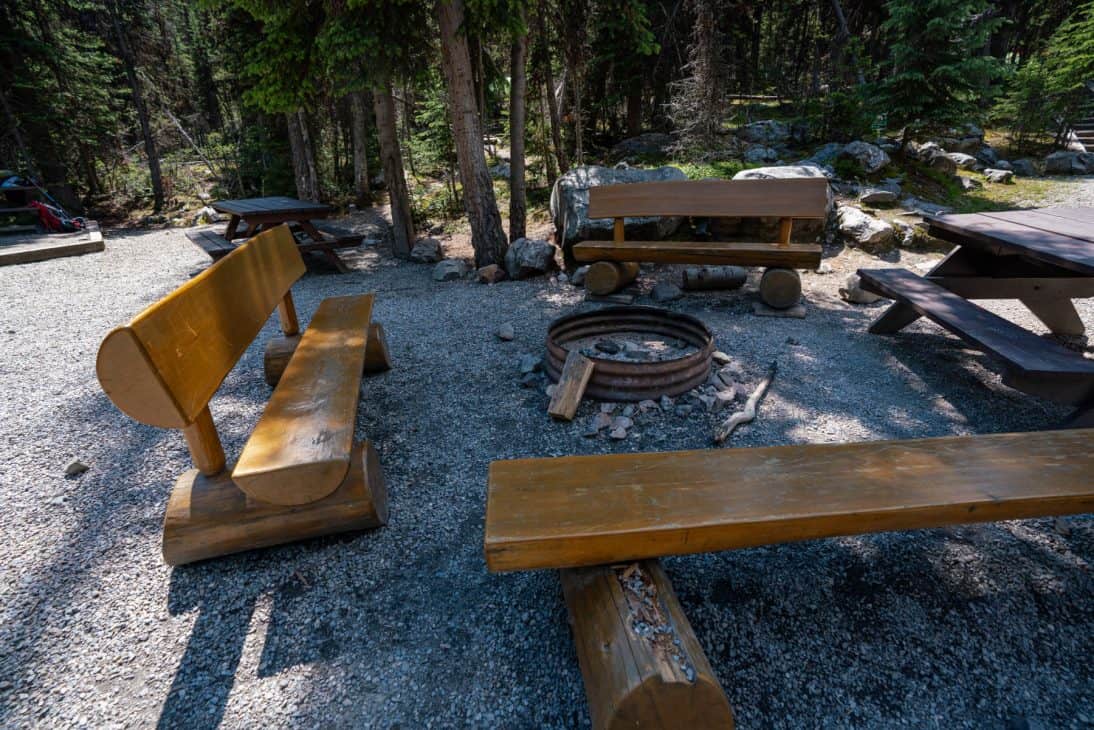
At the end of the day when the night is winding down, there is a communal fire pit surrounded by wooden benches which is a great way to get to know the other campers in the area.
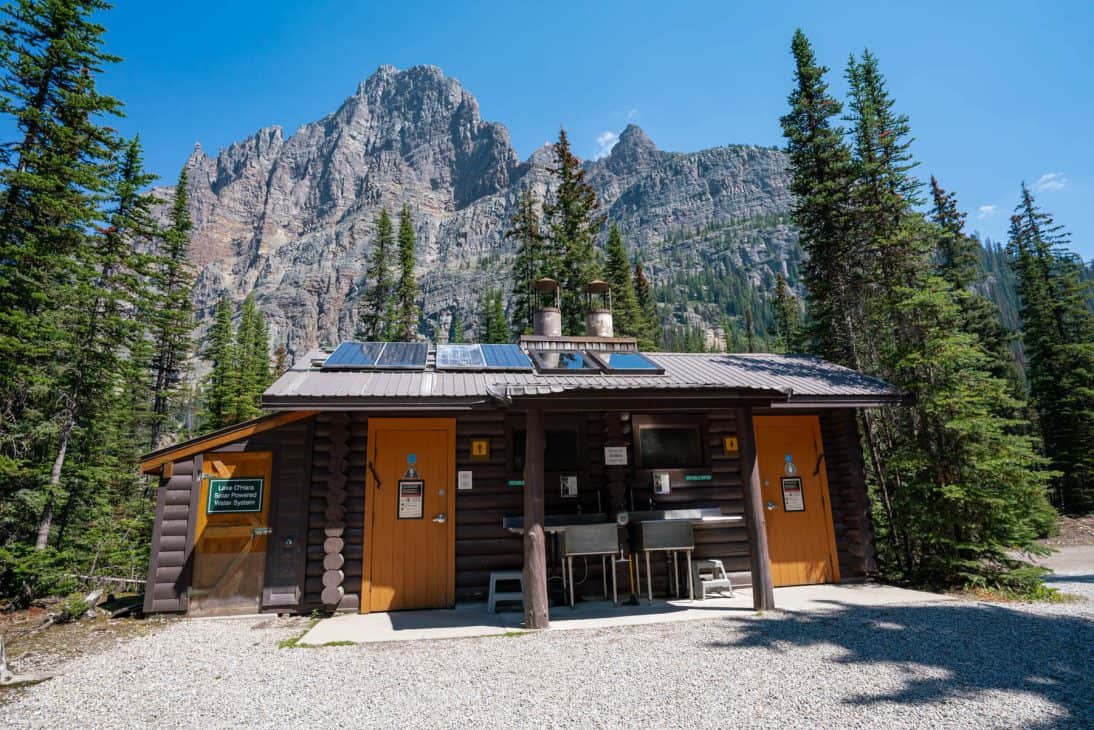
Choosing a campsite
The campground isn’t that big and no matter what site you end up with, you will enjoy your time here. There are 30 campsites in total.
When we arrived all but about 5 sites were occupied, so we took the first site we saw that was empty. I stayed in campsite 8 and really enjoyed this site.
Campsites 1 – 13 are located to the right of the communal fire pit and are closer to the cooking shelters/bathrooms.
Sites 14 – 29 are up the stairs behind the fire pit and offer a bit more privacy. Although these sites are further apart from one another, we still felt that the campsites 1 -13 still offered plenty of privacy. I also didn’t find these campsites to be noisy, despite being closer to the communal areas.
Tips for Getting a Camping Reservation
Securing a bus reservation for Lake O’Hara can be challenging due to the high demand and limited supply. Here are some tips that may increase your chances of success:
- Book Early: Bus reservations usually open in April for the summer season. Mark your calendar, set a reminder, and be ready to book as soon as reservations go live.
- Be Flexible: If you can, be flexible with your dates. Weekends and holidays book up quickly, so having some flexibility in your schedule may improve your chances of securing a spot.
- Have Multiple Devices Ready: On the day reservations open, it can be helpful to have multiple devices ready to access the reservation system. This approach increases your chances of success if one device fails or the system becomes overloaded.
- Frequently Check: Occasionally, people cancel their reservations, freeing up spots for others. Regularly check the reservation system for availability.
- Consider Off-Peak Times: If you can, try to visit during the shoulder seasons (early June or late September). Demand for reservations tends to taper off during these times, increasing your chances of securing a spot.
- Set Up An Account: If you don’t have one already. -set up a Parks Canada account prior to the date reservations open.
- Log In Early: Make sure you log into your account and are on the reservation page at least 30-minutes before reservations open.
Remember, persistence and patience are keys when trying to secure a Lake O’Hara reservation.
Le Relais Day Use Shelter
The Le Relais Day Use Shelter is an essential part of the Lake O’Hara experience and can be found 500m from the campsite just by the Wardens cabin. Operated by the Lake O’Hara Trails Club, this charming hut serves as a welcoming hub for campers and day-trippers.
The shelter also offers educational materials related to Lake O’Hara’s flora, fauna, geology, and history. Often, park rangers host informative nature talks here, to enhance your understanding of this beautiful location.
Despite its simplicity, Le Relais provides a handful of amenities that can make your trip more comfortable. The most popular item they sell is their famous carrot cake, which any visitor to Lake O’Hara will tell you about.
Besides the carrot cake, you can also purchase popsicles (amazing after a hike on a hot day) coffee, hot chocolate, maps and souvenirs. I’m a big fan of the old style postcards, so I purchased a few of these here too.
On rainy days sitting outside with a hot chocolate was bliss! It’s important to note that the Le Relais day use shelter only accepts cash – so bring plenty!
Hiking at Lake O’Hara
One of the main attractions of Lake O’Hara is the incomparable hiking experience it offers. The area is a paradise for hikers, with an extensive trail network that leads to stunning viewpoints, serene alpine meadows, and pristine lakes.
And, of course, don’t forget to tread lightly, stay on marked paths and respect the fragile vegetation and alpine ecosystem that can take years to recover from a single misstep. Let’s ensure this area remains pristine for future explorers in this magnificent part of the world.
Alpine Circuit Trail
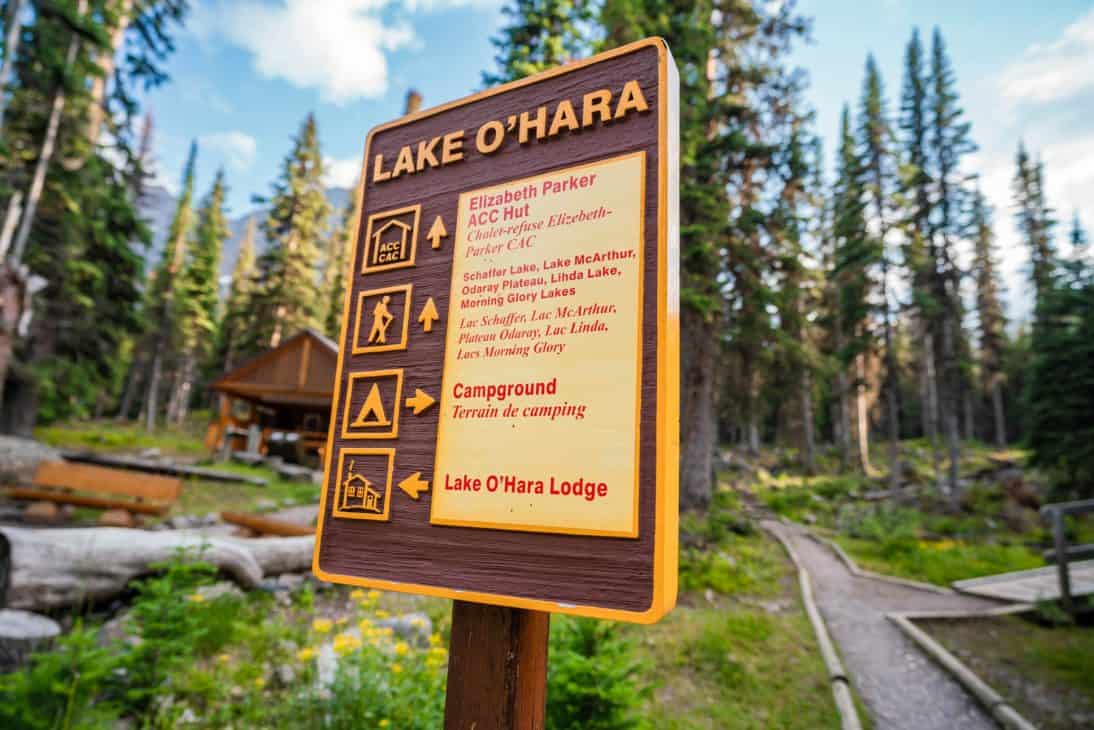
The Alpine Circuit Trail at Lake O’Hara is a gem for those seeking a slightly more challenging and rewarding hike. It is often referred to as one of the best day hikes in the Canadian Rockies. This trail combines several paths including Lake Oesa Trail, Yukness Ledges, All Soul’s Path, and Wiwaxy Gap, creating a comprehensive circuit that treats hikers to an array of stunning landscapes.
Stretching approximately 11km, the trail starts at an altitude of 2,000m and reaches up to 2,525m. This means that hikers should be prepared for a significant elevation gain.
The Alpine Circuit Trail is not for the faint-hearted or inexperienced. It involves some steep sections, narrow ledges, and loose rock terrain. However, for those with a good level of fitness and some hiking experience, it offers an unforgettable journey around Lake O’Hara’s high country.
Lake O’Hara Lakeshore Trail
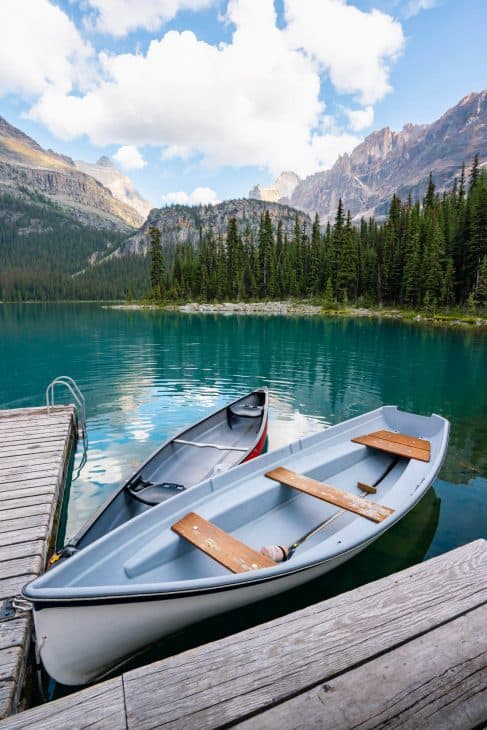
The Lake O’Hara Lakeshore Trail is an enticing path that skirts the shimmering blue Lake O’Hara. Relatively flat and about 2.8km long, it’s considered an easy trail ideal for all ages and fitness levels, and it’s perfect for a leisurely walk or a family outing.
The trail begins near Le Relais day shelter, winding its way around the lake through a mix of dense forests and open clearings, showcasing panoramic views of majestic peaks and glaciers in the distance.
It’s not uncommon to spot local wildlife along this trail, including marmots, pikas, and an array of bird species. I saw the cutest Marmot at the far end of the lake and many Columbia Ground Squirrels.
Opabin Plateau & Opabin Prospect Lookout
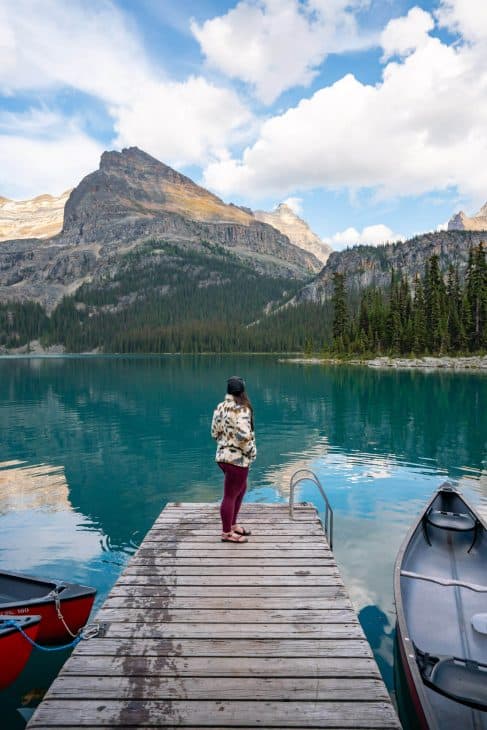
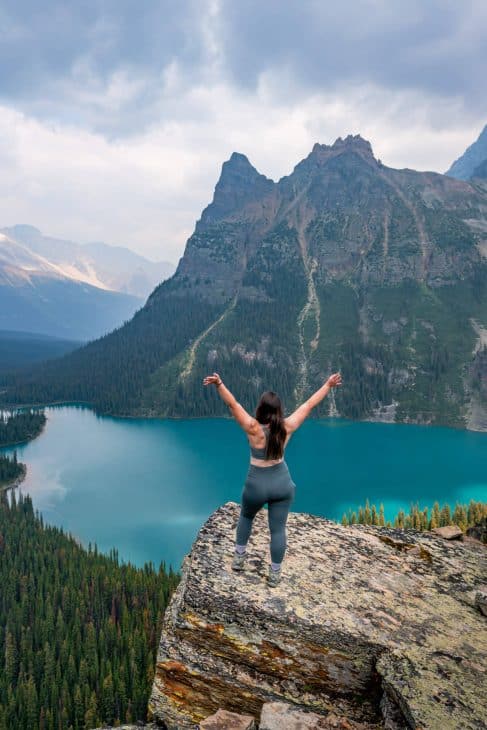
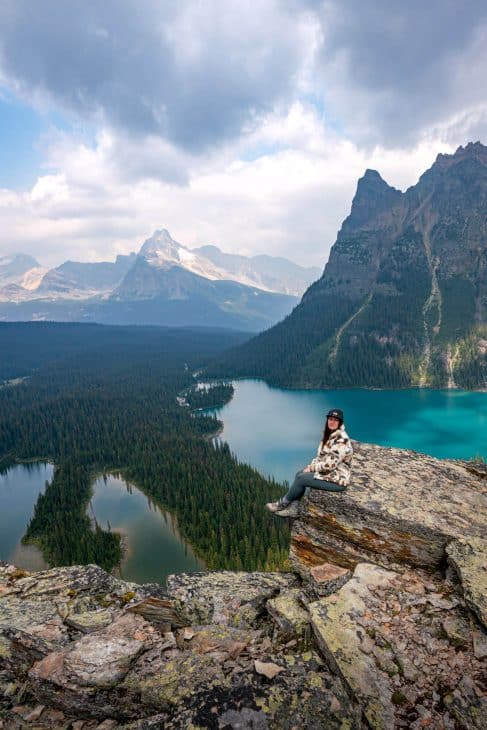
The Opabin Plateau hike is another must-do trail for anyone visiting Lake O’Hara. This is the hike that puts Lake O’Hara on the map. If you’ve ever seen photos online of “that iconic viewpoint” – this is it!
This moderate-level trail takes you up to an impressive high-altitude plateau that offers a breathtaking view of Lake O’Hara, Mary Lake and the surrounding peaks.
The trail starts near the Le Relais Day Shelter and unfolds into a steep climb of switchbacks through a lush forest. After a challenging ascent of around 1.6 km, you reach the plateau. The plateau itself is relatively flat, dotted with small, crystal-clear alpine lakes and vivid wildflowers.
One of the highlights of the Opabin Plateau hike is the Opabin Prospect viewpoint. Here, hikers can rest and soak in panoramic vistas of Lake O’Hara and its many towering peaks.
This trail is approximately 5.9 km in total and can take around 3 to 4 hours to complete, depending on your fitness level and how long you choose to linger in the beauty of the plateau.
Lake Oesa Trail
Lake Oesa Trail is another fantastic hike in the Lake O’Hara region that should not be missed. As part of the Alpine Circuit, this trail takes you high into the alpine environment, offering stunning views of Lake O’Hara and surrounding peaks.
This moderately strenuous hike starts at the eastern end of Lake O’Hara and climbs steeply up to Lake Oesa, nestled among the peaks and glaciers. The trail is approximately 3km one way and typically takes around 3 to 4 hours to complete, depending on your pace and how much time you spend at the lake.
Lake McArthur Trail
The Lake McArthur Trail offers a more challenging hike, leading you to arguably the most remarkable of all the lakes in the Lake O’Hara region. This trail can be completed in different ways, but the most common route begins at Le Relais day shelter, heading towards McArthur Pass before branching off to Lake McArthur.
It’s a 8 km round trip hike with an elevation gain of 310 meters. The lake’s stunning turquoise colour, combined with the dramatic backdrop of Mount Biddle, makes this a must-see spot for any Lake O’Hara visitor.
Wiwaxy Gap & Huber Ledges
Wiwaxy Gap & Huber Ledges hike is a high-altitude trail that comes with its fair share of challenges but rewards hikers with unparalleled views. This trail is also part of the Alpine Circuit and is known for its panoramic views of Lake O’Hara and the surrounding alpine environment.
The Wiwaxy Gap & Huber Ledges trail begins near Le Relais Day Shelter and ascends steeply to Wiwaxy Gap before traversing along the Huber Ledges. The trail is approximately 4.6 km with an elevation gain of 510 meters. This trail is best suited for experienced hikers due to its exposure and the presence of precarious ledges.
Fishing at Lake O’Hara
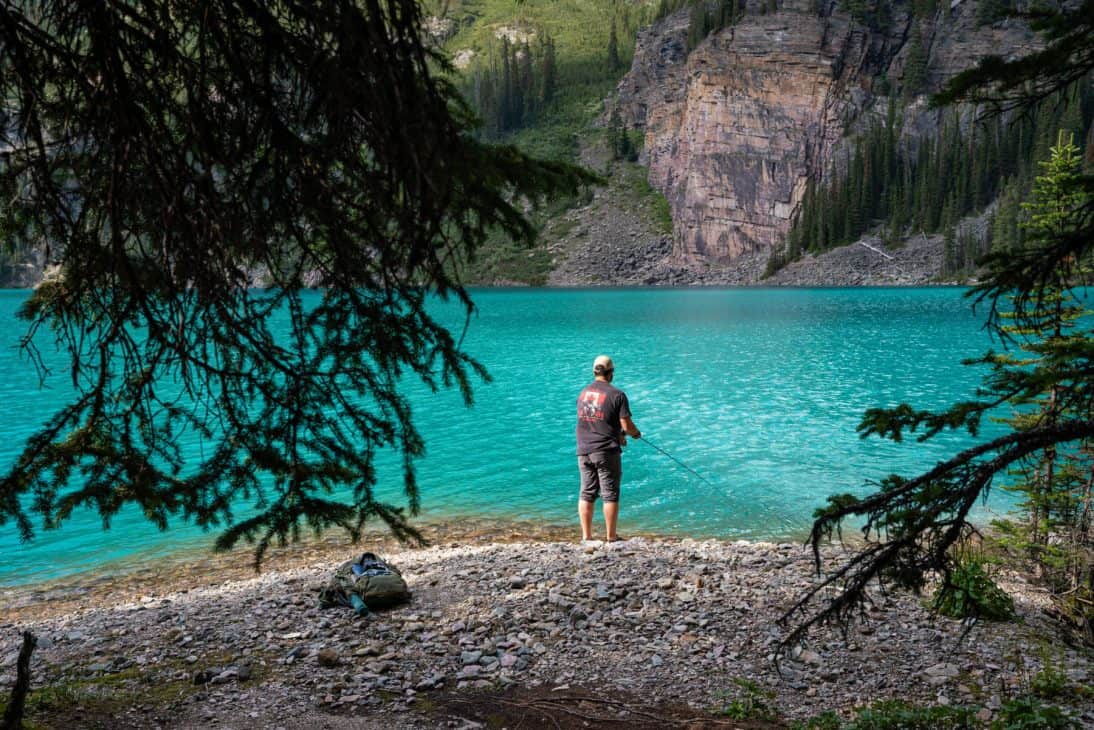
Although hiking is the most popular activity at Lake O’Hara, you can also fish at many of the lakes in this area too. If you do plan to fish, it is important to note that a fishing licence is required and can be purchased before your trip at any Parks Canada office.
The lake is home to many species of trout, including cutthroat, which makes it an exciting destination for anglers. The Lakeshore Trail will take you around the entire lake, where you’ll find spots ideal for fly-fishing. It’s a beautiful walk and the fish are usually hungry when you reach the right spot.
Some of the hiking trails in this area will take you to small lakes that aren’t as busy with other people, where you can enjoy some peaceful fishing or simply take in the surrounding scenery.
If you do plan to fish at Lake O’Hara you must adhere to the Parks Canada fishing regulations and may be required to fill in a self-certification permit (this is free and can be done at the bus stop if you forget) Take note that Lake O’Hara is a catch and release area only.
FAQ: Lake O’Hara Guide
How do I get to Lake O’Hara without a bus?
If you did not get a bus reservation for Lake O’Hara you can hike the 11km forest service road. However you cannot camp and a return bus ride is not guaranteed.
Can you swim in Lake O’Hara?
Yes you can. Although just keep in mind this is an alpine lake and will be extremely cold even in the summer.
Is there cell service at Lake O’Hara?
There is no cell service at Lake O’Hara and only partial service at the parking lot.
Where is the best view in Lake O’Hara?
There are many incredible views in the Lake O’Hara area, but the best view is from the Opabin Plateau.
Is Lake O’Hara worth it?
Yes – it is most definitely worth it! It took 4 years of trying to secure my camping reservations and the wait was more than worth it. This is a really incredible place you need to experience for yourself.
How long do you need at Lake O’Hara?
2 to 3 days is the ideal time to spend at Lake O’Hara. This allows you time to really experience the area and hike several trails during your stay. If you only manage to visit for the day, this is still ample time for a day hike.
Parks Canada National Parks Pass Info
If you are visiting or planning a trip to any of Canada’s National Parks (Including Banff, Jasper and, Yoho), you will need to purchase a parks pass. There are a number of options available.
Single Day Admission:
This option is great if you only plan to spend a day or two in a National Park. Valid for one person per day. See the Parks Canada website for current rates. Children 17 or younger are free.
Group Daily Admission:
This is a great option if you have up to 7 people per one vehicle. It is cheaper than purchasing a pass for each person. See the Parks Canada website for current rates.
Parks Canada Discovery Pass:
A discovery Pass is, in my opinion, the best option for people visiting in groups for a week or more. This is an annual pass and is valid from the day you buy it. It will give you 365 days of entry to all of Canada’s National Parks. I purchased this for my 12 day trip to the Banff and Jasper in 2021 and used it 3 more times in Banff in 2022 and another for Pacific Rim in Tofino. If you are planning on traveling around Canada for an extended period of time, this is worth the money!
The Discovery Pass will cover up to 7 people per vehicle. You can purchase the Discovery pass online or in person when you arrive. See the Parks Canada website for current rates.
Click A Pin Below To Save For Later!
About Rachael
Welcome to A City Girl Outside! I’m Rachael, a Londoner who traded the hustle and bustle of city life for the breathtaking beauty of Whistler, Canada. With no prior experience, I dove headfirst into an outdoor lifestyle that now includes hiking, canoeing, and snowshoeing.
What started as a leap into the unknown has become my greatest passion. These days, you’ll find me spending my weekends adventuring in the Canadian wilderness—chasing alpine views, paddling serene lakes, and embracing all that nature has to offer.
A City Girl Outside aims to inspire readers to step beyond their comfort zones, explore the great outdoors, and embrace the wild. Whether you’re a seasoned explorer or a complete beginner like I once was, there’s always room to reconnect with nature and discover the adventurer within.


![Jordan River, BC – Weekend Itinerary [2025 Guide]](https://acitygirloutside.com/wp-content/uploads/2023/09/Sandcut-Beach-Jordan-River-Bc-768x433.jpg)

![Best Lakes in Whistler [2024 Guide]](https://acitygirloutside.com/wp-content/uploads/2022/06/Lost-Lake-in-Whistler-A-City-Girl-Outside-768x512.jpg)
