
Travel Backpack Vs Hiking Backpack – Which For Your Trip?
Can’t decide whether a travel backpack or a hiking backpack is the right one for your trip? You’re definitely not alone—it’s a common dilemma among travellers and hikers alike. Both are designed to carry your essentials on the go, but there are some key differences you need to consider before making a decision.
The answers really lies in what activity you are doing. I have used travel backpacks for hiking and hiking backpacks for travel. If you’re just starting out with hiking, you might not want to splurge on a hiking backpack right away.
Or, if you’re traveling or backpacking and space is limited, you might need to use your hiking backpack as a travel backpack (that’s what I did when I moved to Australia!) So, it all comes down to what works best for your specific situation.
Travel backpacks and hiking backpacks may appear similar, but in reality, they’re designed for two very different purposes. An ideal backpack should support your activity, not hinder it.
In this post I compare the differences between travel and hiking backpacks, including some recommendations, to help you figure out which one is your perfect adventure partner.
A City Girl Outside contains affiliate links. If you decide to make a purchase through these links, I will earn a commission at no extra cost to you. Thanks for reading!

Travel Backpack Vs Hiking Backpack
Let’s start with the basics: what exactly is a travel backpack and a hiking backpack?
Travel bags typically feature full-open zippers, providing easy access to all your clothes, unlike most hiking backpacks with top loads. Travel bags generally offer better storage options for tech gear.
While a hiking pack is ideal if you spend the entire day walking and only unpack at night, it falls short when you need frequent access to your belongings throughout the day.
One aspect that often goes unnoticed is the dimensions of the bags. Travel bags are designed to fit within the maximum dimensions allowed by non-budget airlines, a consideration often overlooked by hiking bags.
Compared to similarly sized travel bags, hiking packs are typically taller, narrower, and deeper from front to back.
Travel bags aim to balance maximum legal carry-on specifications with available space, while hiking bags prioritize ease of carry over long distances. As a result, a hiking bag may exceed carry-on limits in one or more dimensions, even with the same volume as a travel bag optimized for air travel.
The multipurpose nature of travel bags makes them sufficient for most scenarios, whereas hiking bags are purpose-built for specific activities.
Dealing with a travel pack on hiking trails can be more cumbersome than using a hiking pack while traveling. Travel packs are often heavier, wider, lack a proper suspension system and hip belt, and tend to be more expensive.
How To Choose?
Before deciding on whether you need a travel backpack or a hiking backpack, start by asking yourself some relevant questions for the trip you’ll be taking.
- How many trips/outings are you likely to have of each kind (travel vs hike)?
- How often will be you be hiking?
- If you hike, will you bring cookware and sleeping bags and a tent, or just the basics for a day out or maybe a cabin overnight?
- What kind of travel do you do? Business vs. pleasure? Airline vs. train vs. urban public transportation? Domestic vs. international?
- How long is your trips? A day, a long weekend, a week or more?
- What climates will you be dealing with?
- How important to you is comfort? If it’s important, prioritize those features accordingly, regardless of bag type.
- If you will be doing air travel, will you be checking the bag or carrying it on? If it’s a carry-on, you don’t need to worry about tuck-away straps; that’s mainly for checking your bag.
- Some people are particular about how their bag looks. Is that something that matters to you? Or are you more interested with the comfort factors and the various features of the bag?
List the features of each bag (e.g. water bottle holder, tuck-away straps, clamshell vs. bucket opening, and so on. Rank them according to what matters most to you and/or what will be the most versatile.
If possible, go to a store to look at packs and try them on. If a pack doesn’t fit, it doesn’t matter if it has great features!
What Is A Travel Backpack?
A travel backpack is a type of bag designed specifically for travel purposes. It is typically designed to specific dimensions to fit within carry-on luggage restrictions for airlines.
Travel backpacks are designed to be convenient and easy to navigate through airports and other crowded areas.
Travel backpacks often come with a variety of compartments and pockets for organizing your belongings, from clothing and toiletries to electronics.
They are designed with quick access in mind, allowing for the easy retrieval of items during transit. Some also feature specialized compartments to securely store valuable items such as laptops or cameras.
However, they may not offer as much support or ventilation as hiking backpacks, which could be a consideration for those planning on carrying the backpack for extended periods.
Although they can be used for different activities, they may not be the ideal choice for hiking trails.
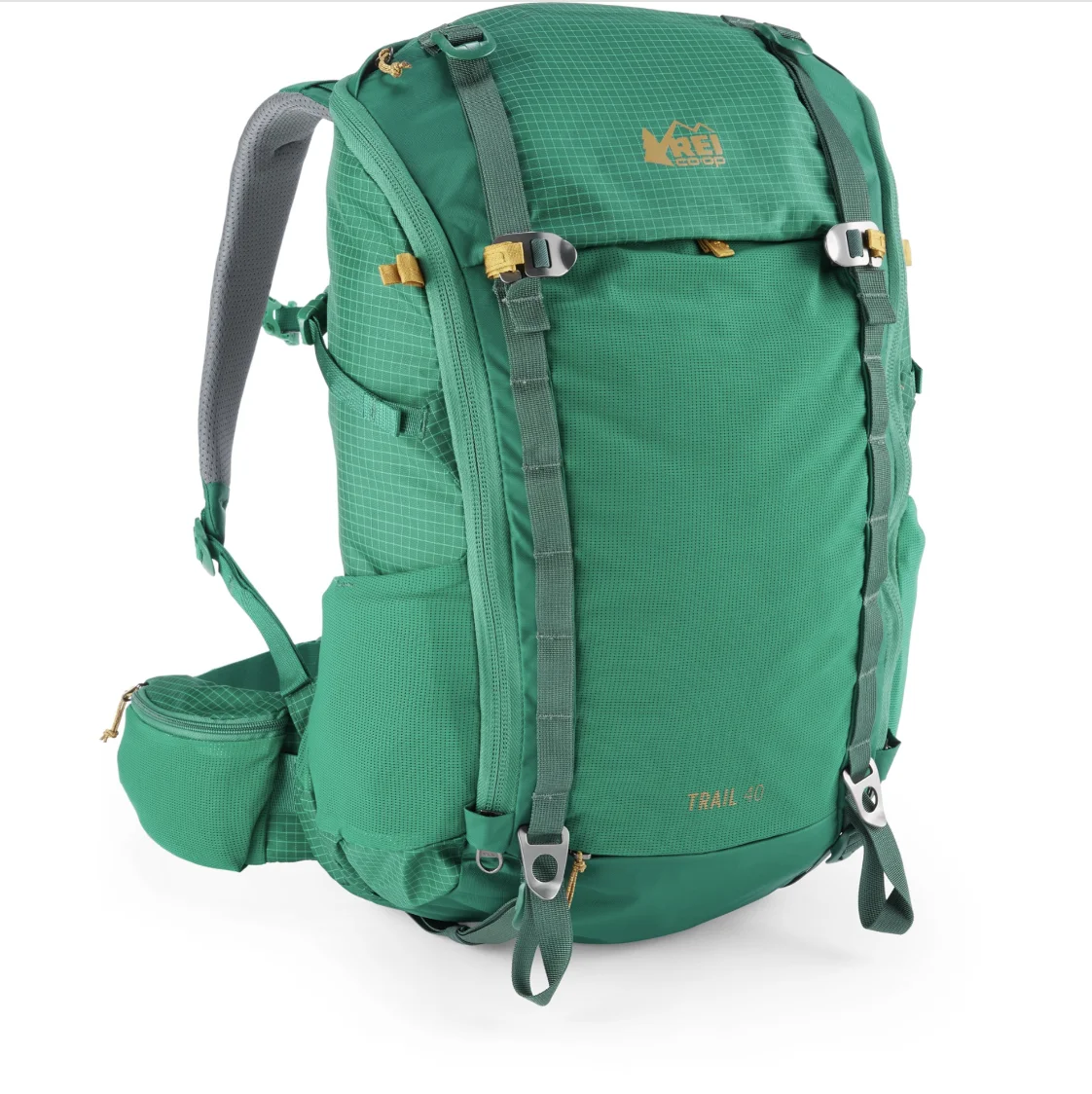
Recommended Travel Backpacks

What Is A Hiking Backpack?
A hiking backpack is a bag particularly intended for outdoor activities such as hiking and camping.
These backpacks are designed with robust materials to endure harsh outdoor conditions, and their structure typically includes an internal or external frame to evenly distribute weight across the body.
They are often equipped with multiple compartments to organize equipment and supplies needed for outdoor adventures.
Key features might include hydration reservoirs, attachment points for trekking poles or ice axes, and a rain cover for added protection against rain or snow.
Hiking backpacks provide superior support, ventilation, and comfort for long treks and demanding terrains.
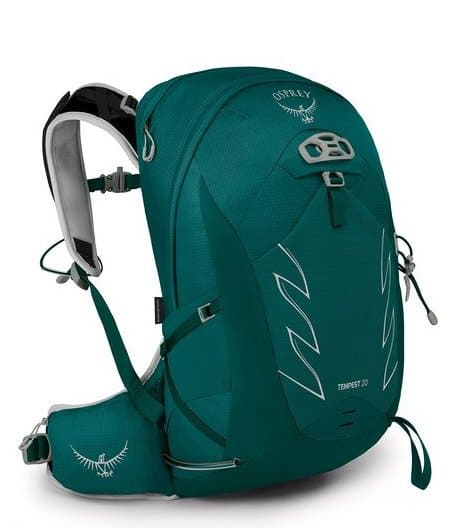
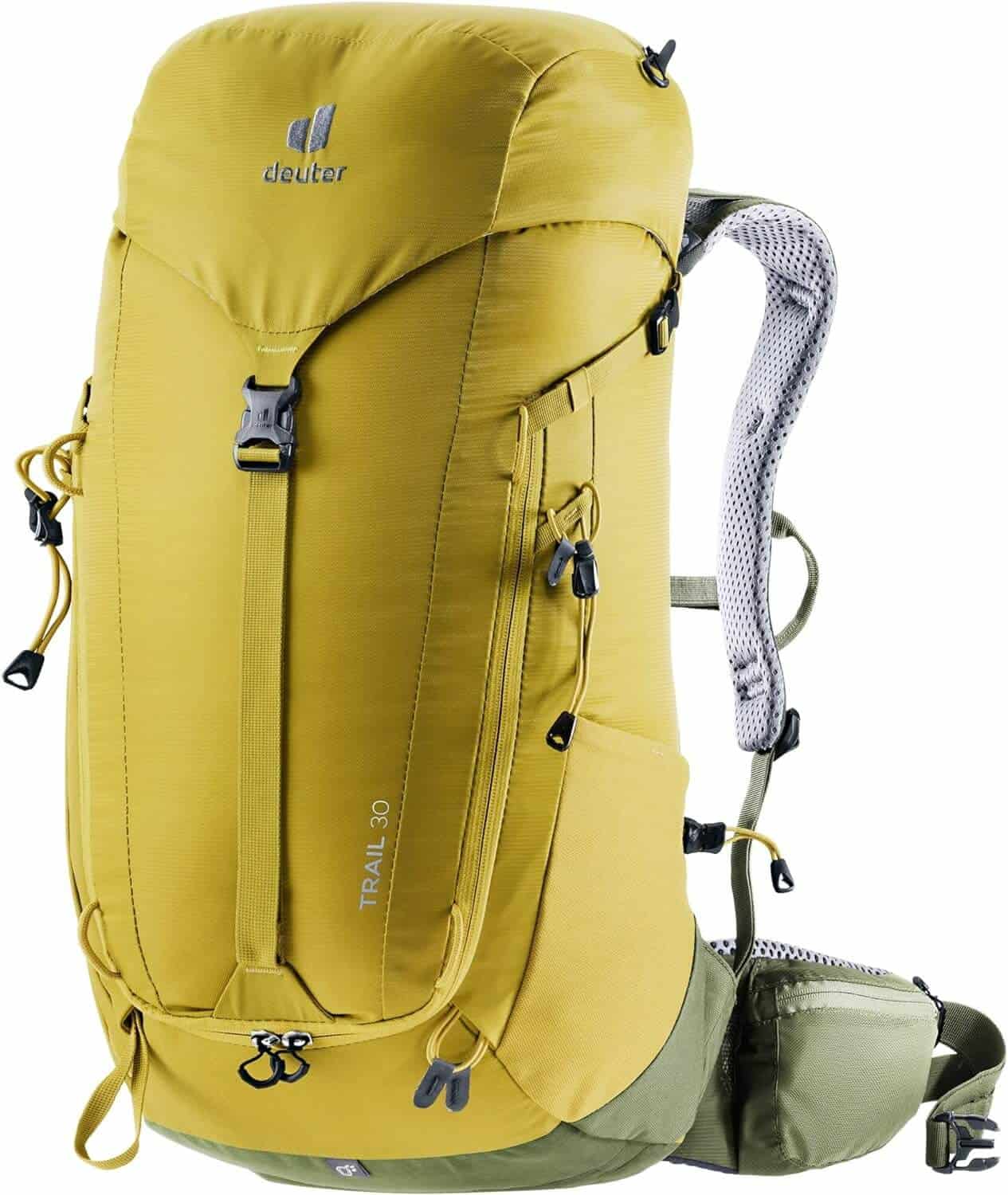
Recommended Hiking Backpacks
Can You Use A Travel Backpack For Hiking?
Honestly, it depends! When I first started hiking I didn’t even know if I’d enjoy it, so on the beginner hikes a regular backpack was fine.
However if you do enjoy hiking and are planning any intermediate or difficult hikes – a hiking backpack is a game changer!
Travel backpacks often lack the specialized features and support needed for longer hikes, making them less suitable for this type of activity. If you are planning a short hike with minimal gear, a travel backpack could work just fine.
Hiking backpacks are designed with ventilation in mind and to fit comfortably for long periods of time, so they are typically the better option for more challenging and longer hikes.
The internal frame, hip belt and shoulder straps of a hiking backpack make it easier to carry heavy loads.
Differences Between Travel Backpacks and Hiking Backpacks
1. Water Resistance
Hiking backpacks are usually made with water-resistant materials to protect against light rain or splashes. Some may also come with a detachable rain cover for added protection. Travel backpacks, on the other hand, do not usually have water-resistant properties.
2. Support Features
Hiking backpacks are generally designed with a frame, either internal or external, to support heavy loads and distribute weight for better balance. My hiking day pack and backpacking pack, are both much more comfortable than my non-frame backpacks
Travel backpacks usually do not have this feature as they are meant for shorter trips and therefore are uncomfortable when worn for long periods of time.
Other support features that hiking packs come with include hip belts and padded shoulder straps. These help to keep the pack close to your body for better balance and reduce strain on your shoulders.
While travel backpacks may come with a hip belt, they are usually very thin with no padding.
3. Size and Capacity
Travel backpacks tend to be smaller in size, with a capacity of around 30-40 litres. This is because they are designed for shorter trips where you won’t need to carry as much gear.
Hiking backpacks, on the other hand, can range from 40-80+ litres in capacity. This allows for more gear and supplies to be carried for longer hikes and camping trips. If you’re looking for a day pack, 20 to 30 litres fits within the carry-on size for airlines.
4. Organizational Compartments
Travel backpacks are designed with organization in mind, often including multiple compartments and pockets for easy access to your belongings.
Many also come with a laptop compartment, making them ideal for digital nomads or business travellers.
Hiking backpacks usually have fewer compartments and are more focused on maximizing space for gear and supplies.
However, some hiking packs do come with external straps for attaching gear, such as trekking poles or a sleeping bag.
Thanks For Reading!
Ultimately, choosing between a travel backpack and a hiking backpack depends on your specific needs.
If you’re planning on doing mostly city travel with short hikes in between, a travel backpack might be the best choice for its compact size and quick access features.
However, if you are planning on embarking on longer, more rugged hikes, a hiking backpack would be the better option for its specialized features and superior support.
Both types of backpacks have their strengths and it’s important to consider your specific travel plans when making a decision.

About Rachael
Welcome to A City Girl Outside! I’m Rachael, a Londoner who traded the hustle and bustle of city life for the breathtaking beauty of Whistler, Canada. With no prior experience, I dove headfirst into an outdoor lifestyle that now includes hiking, canoeing, and snowshoeing.
What started as a leap into the unknown has become my greatest passion. These days, you’ll find me spending my weekends adventuring in the Canadian wilderness—chasing alpine views, paddling serene lakes, and embracing all that nature has to offer.
A City Girl Outside aims to inspire readers to step beyond their comfort zones, explore the great outdoors, and embrace the wild. Whether you’re a seasoned explorer or a complete beginner like I once was, there’s always room to reconnect with nature and discover the adventurer within.


![31 Useful Road Trip Gifts For Every Traveller [2025 Guide]](https://acitygirloutside.com/wp-content/uploads/2022/05/BEST-ROAD-TRIPS-GIFTS-1-768x575.jpg)
