
When To Replace Hiking Boots? 9 Telltale Signs!
Good hiking boots are a vital part of your hiking gear. They provide support, stability, and protection for your feet during long hikes. But how do you know when to replace hiking boots?
Constant use and exposure to harsh terrain can take a toll on even the best hiking boots. When they start showing signs of wear and tear, it’s important to know when to say goodbye and invest in a new pair.
You should ask yourself, are they comfortable still? Do they leak when passing through streams?
A good pair of hiking boots can make or break a hike. But even the best boots will eventually reach their limit and need to be replaced. It’s important to keep an eye on your boots’ condition and make note of any changes in comfort or performance. Over time, repeated use can lead to wear and tear.
In this post, I’ve highlighted some common signs it’s time to replace your hiking boots. I’ve also provided some tips on how to care for your hiking boots to extend their lifespan.
A City Girl Outside contains affiliate links. If you decide to make a purchase through these links, I will earn a commission at no extra cost to you. Thanks for reading!
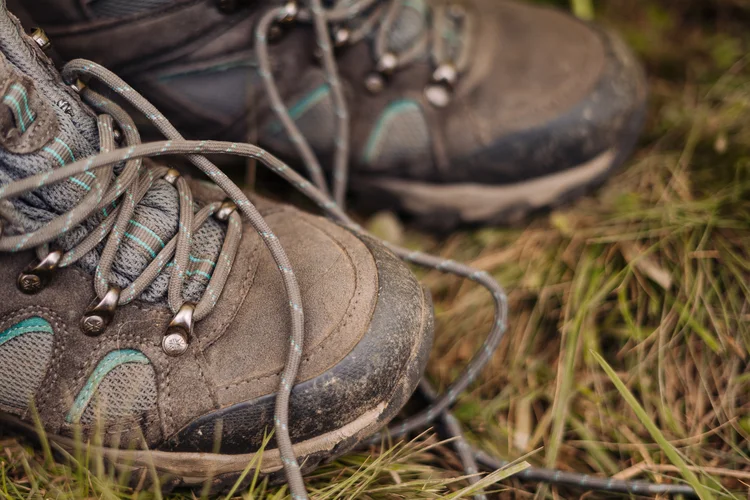
Why Do Hiking Boots Break Down?
Hiking boots are designed to withstand rough terrain and protect your feet. However, they are not indestructible and like most footwear, will eventually break down due to a variety of factors.
One of the main reasons hiking boots break down is simply because they have been used for too long. Over time, the materials in the boots will start to wear out, especially if you put a lot of miles on them. Once the materials start to break down, the boots will lose their support and cushioning, making them uncomfortable and potentially leading to foot pain or injuries.
Another factor that can contribute to hiking boot breakdown is exposure to extreme weather conditions and harsh elements. Constant exposure to water, mud, snow, or excessive heat can cause the materials to deteriorate faster, shortening the lifespan of your boots.
When should you replace hiking boots?
It can be tricky to pinpoint the exact time to replace hiking boots, it’s not a simple answer, as all hiking boots are different. However typically you would replace hiking boots when they no longer support your feet. This could be for many reasons.
My very first pair of hiking shoes I bought for £20 at a store back home in England. That year I discovered I absolutely LOVE hiking! So at Christmas my husband gifted me a pair of Salomon X Ultra hiking boots – so essentially I replaced my “newbie” shoes with better quality and support.
I still have the cheap £20 shoes though, “just in case”, even though I technically did replace them. But in this scenario, I replaced them for something better, as I was starting to do much longer and technical hikes.
So replacing hiking boots isn’t always about the fact that they are worn out and/or old. Perhaps you just need a new pair for a different kind of trip!
You will often hear that you should replace your hiking boots “every 500 miles”. If you are like me and have no idea what “500 miles” even looks like, then this recommendation is probably not very helpful. I know I definitely do not record how many miles I put on my boots.
The other important thing to note is whether or not you have multiple pairs of hiking boots, like me! I don’t always recall which pair I’ve worn on which trail, so recording it in numbers of miles doesn’t help much.
Instead you need to look for physical signs of wear and tear. You should look out for major wear signs like flat insoles, worn tread, or lack of ankle support. If you feel foot pain, it might be time for fresh shoes. Various factors, including shoe quality, affect how long you should keep your boots.
Below is a list of things that are an indication that it’s time for new hiking boots!
Signs That It’s Time to Replace Your Hiking Boots
Now that we’ve established why hiking boots break down, let’s look at some signs that it’s time for a new pair. These signs may vary depending on factors such as usage, terrain, and material quality.

The Tread Is Worn Down
One of the most visible signs that your hiking boots need replacing is when the tread starts to wear down. The tread on hiking boots is designed to provide grip and traction on the trails, helping you maintain balance and stability while navigating varying terrains.
When the tread wears down, it becomes less effective at providing this crucial support, making slips and falls more likely. This can also impact your overall hiking experience as you may find yourself struggling to maintain a steady pace or having to constantly adjust your footing.
The Insoles Are Flat
Insoles play an important role in providing cushioning and support for your feet while hiking. Over time, as you put more miles on your boots, the insoles can become compressed and lose their ability to provide adequate support.
This can result in foot pain and discomfort, making it difficult to enjoy your hikes. If you notice that the insoles of your hiking boots are flat or have lost their shape, it’s a telltale sign that it’s time for a new pair.
You Have Pain In Your Feet
You should never ignore any foot pain while hiking, as it can quickly escalate into a serious injury. If you start to feel discomfort or pain in your feet while on the trail, it could be a sign that your boots are no longer providing enough support and cushioning.
This is especially true if you have recently started experiencing pain after previously having comfortable hikes with the same boots. It’s important to address this issue early on before it turns into a more severe problem.
The Boots Don’t Fit Properly
Hiking boots should fit snugly but not too tightly, providing enough room for your feet to move comfortably while also preventing them from sliding around inside the boot. However, as hiking boots age and become worn out, they may lose their shape and ability to provide a proper fit.
This can lead to blisters, hot spots, and general discomfort while on the trail. If you notice that your boots are no longer fitting properly or feel looser than before, it may be time for a new pair.
Waterproofing Has Worn Out
If you have a pair of waterproof hiking boots, it’s important to regularly check if the waterproofing is still intact. Over time and with use, the waterproof coating can wear off, making your boots susceptible to water seeping in. This not only makes for an uncomfortable hike but also increases the risk of blisters and foot injuries.
The Ankle Support Is Lacking
Ankle support is critical for hiking boots, especially on uneven terrain where a wrong step can result in an ankle injury. As boots age and become worn out, the ankle support can also diminish, putting you at risk of twisting or spraining your ankle.
If you feel that your ankles are not as supported as they used to be while wearing your current boots, it’s probably time to replace your hiking boots.
There Are Holes In The Toes Or Sides
Physical damage to your hiking boots, such as holes in the toes or sides, is a clear indication that it’s time for a new pair. These holes can compromise the structural integrity of the boot and also make for an uncomfortable and possibly hazardous hike. It’s important to regularly check for any signs of wear and tear on your hiking boots and address them before they become too damaged to use.
Worn Or Frayed Laces
Laces are an essential part of keeping your hiking boots securely on your feet. Over time, however, laces can become worn or frayed from constant use and exposure to different elements. This not only affects the functionality of the laces but also makes them more prone to breaking while on a hike.
The Eyelets on Your Shoes Are Loose
Similar to laces, the eyelets on your hiking boots can also become worn or loose over time. This can make it difficult to properly secure your boots and may also lead to the laces wearing out faster. If you notice that the eyelets on your boots are no longer as sturdy as they used to be, it’s a sign that it’s time for a new pair of hiking boots.

How To Care For Your Hiking Boots
- Clean Your Boots After Each Hike: Carefully remove dirt and debris using a soft brush or cloth, and rinse with water if necessary. Avoid immersing boots completely in water to prevent damage.
- Dry Your Boots Properly: Allow your boots to air dry naturally away from direct heat sources, which can cause the materials to weaken or warp.
- Apply Waterproofing Treatments: Regularly reapply waterproofing treatment to keep your boots resistant to water and moisture, which can degrade the materials over time.
- Store in a Cool, Dry Place: When not in use, store your hiking boots in a cool, dry environment to prevent the development of mold and mildew, and to maintain the integrity of the materials.
- Use a Boot Tree or Stuff with Newspaper: To help retain the shape of your boots and prevent creases, consider using a boot tree or stuffing them with newspaper when not in use.
- Condition the Leather: If your boots are made of leather, use a specialized leather conditioner to keep the material supple and prevent drying and cracking.
- Check and Replace Worn Laces: Regularly inspect your laces for wear and replace them as needed to ensure your boots remain secure and supportive on your feet.
- Rotate Your Boots: If possible, rotate between pairs of hiking boots to reduce wear and tear, giving each pair time to rest and recover between hikes.
Final Thoughts
In the end, when you should replace your hiking boots depends on various factors such as their quality, frequency of use, and the types of hikes you do. It’s important to regularly inspect your boots for signs of wear and tear and listen to your body if you start experiencing discomfort or pain while wearing them
Ultimately, you should listen to to your feet and replace your hiking boots when they are no longer providing the necessary support and protection. And when they’re no longer good for hiking, you can repurpose them as yard shoes or gardening shoes!
Don’t wait until it’s too late and you end up with a serious injury that could have been prevented by replacing your boots in a timely manner. So keep an eye out for these signs, invest in a new pair when needed, and hit the trails with confidence!

About Rachael
Welcome to A City Girl Outside! I’m Rachael, a Londoner who traded the hustle and bustle of city life for the breathtaking beauty of Whistler, Canada. With no prior experience, I dove headfirst into an outdoor lifestyle that now includes hiking, canoeing, and snowshoeing.
What started as a leap into the unknown has become my greatest passion. These days, you’ll find me spending my weekends adventuring in the Canadian wilderness—chasing alpine views, paddling serene lakes, and embracing all that nature has to offer.
A City Girl Outside aims to inspire readers to step beyond their comfort zones, explore the great outdoors, and embrace the wild. Whether you’re a seasoned explorer or a complete beginner like I once was, there’s always room to reconnect with nature and discover the adventurer within.



![11 Easy Hikes In Squamish [2025 Guide]](https://acitygirloutside.com/wp-content/uploads/2023/06/Mount-Crumpit-Squamish-British-Columbia-Canada-768x512.jpg)